Signs That Your Production Line Needs Upgrading
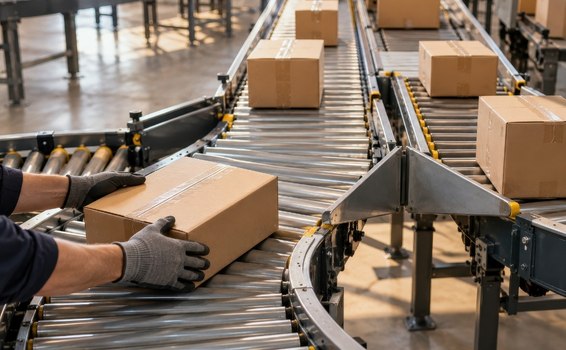
Production requirements change over time. Increased demand, new products, changing packaging formats and ageing equipment can all place additional pressure on a production line that was originally designed for different requirements.
Recognising when your equipment is beginning to restrict production line efficiency can help prevent recurring downtime, bottlenecks and unnecessary maintenance costs.
Here are some of the signs that your production line could benefit from an upgrade:
Products repeatedly accumulating at the same point can indicate that one process is unable to keep pace with the rest of the production line.
The cause could be machinery, conveyor speed, product transfers or the overall conveyor layout. Identifying and addressing the restriction can help create a more consistent production flow.
Occasional maintenance is expected, but frequent breakdowns can be a sign that equipment or components are approaching the end of their service life.
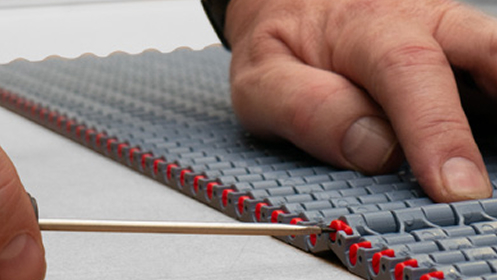
If worn conveyor belts, chains, sprockets or other components are regularly interrupting production, upgrading parts of the system could improve reliability and reduce manufacturing downtime. Our expert team can advise the best solution for your industry.
Is your maintenance team spending more time repairing the same equipment or parts?
Increasing maintenance requirements can indicate that individual components are wearing prematurely or an existing conveyor system is no longer suited to the application.
Reviewing the system can help determine whether replacing specific components or upgrading a larger section of the conveyor offers the best solution – contact our team for expert advice, guidance and recommendations.
Production lines often evolve alongside the businesses using them.
New products, different packaging sizes or increased production volumes can change what is required from a conveyor system. Equipment that performed effectively when originally installed may no longer provide the speed, capacity or flexibility required.
Reliable transfers are essential for maintaining efficient product flow.
Regular jams, unstable products or products becoming damaged when moving between conveyors can indicate that a transfer point needs reviewing.
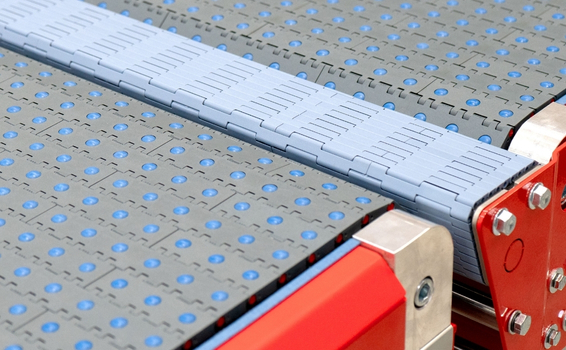
Alternative transfer solutions, guides or conveyor components may help create smoother movement between production stages. Our Zero ATP Pro is designed to make transfers smooth and efficient, helping to reduce downtime.
If operators frequently need to move, reposition or recover products manually, there may be an opportunity to improve the production line.
An effective conveyor system should reduce unnecessary handling by providing consistent movement between machinery and processes.
As machinery is added or production processes change, an existing conveyor layout can become inefficient.
Unnecessary transfers, difficult changes in direction or poorly positioned conveyor sections can restrict product flow and use valuable floor space. Reviewing the layout can identify opportunities to simplify the journey products take through production.
Older equipment can become increasingly difficult to maintain when replacement components are obsolete or have long lead times.
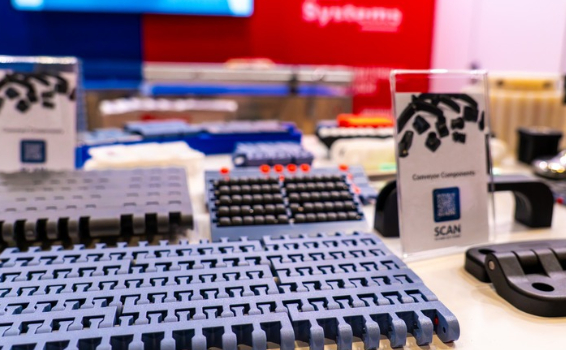
Waiting for a critical component can turn a relatively minor failure into significant production downtime. Upgrading equipment or moving to readily available conveyor components can help reduce this risk. We have over 100,000 parts at stock, with next day delivery available* – so we can keep your production line flowing.
One of the clearest signs that a production line needs upgrading is when capacity is limiting business growth.
Increasing conveyor speed alone is not always the answer. Product spacing, accumulation, transfers, machinery and conveyor components all need to work together to maintain reliable production at higher throughput.
Recurring jams, excessive wear, manual adjustments and minor stoppages can easily become accepted as part of everyday production.
Individually, these problems may appear small. Together, they can significantly affect manufacturing efficiency, productivity and operating costs.
Upgrading a production line does not necessarily mean replacing an entire conveyor system. Replacements to belts, chains, transfers, wear components, or conveyor layouts can often help address specific areas of concern, without replacing the whole system.
At Oadby Conveyors, we work with customers to understand their production requirements and identify practical solutions for new and existing conveyor systems.
With access to the extensive Movex range of conveyor components and solutions, combined with our engineering capabilities and industry knowledge, we can help you improve product flow, increase reliability and keep production moving – contact us today.
*on stocked items.