What Is A Conveyor System, And How Does It Work?
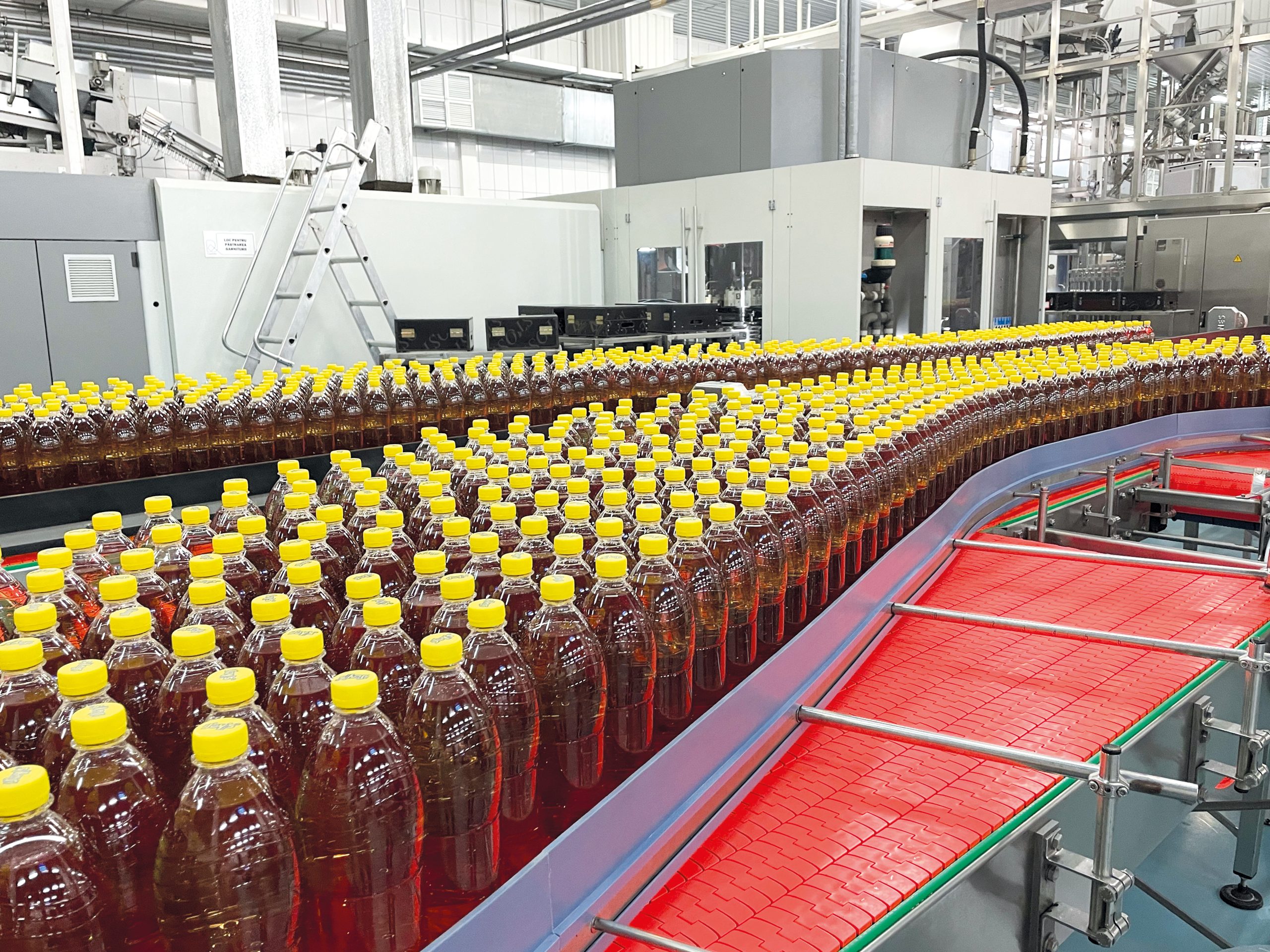
Conveyor systems are a key part of modern manufacturing, logistics, packaging, and processing operations. Designed to help move products and materials efficiently from one location to another, conveyor systems help businesses to improve productivity, reduce manual handling, and streamline workflows.
Whether transporting food products through a processing facility or moving parcels through a logistics centre, conveyor systems play a key role in ensuring smooth and efficient operations across a range of industries.
A conveyor system is a handling solution used to transport products, components, or materials along a defined path. Conveyors use belts, chains, rollers, or modular belts to move items safely and consistently.
Conveyor systems can be customised to suit different industries, products, and production environments, making them one of the most versatile material handling solutions available.
A conveyor system uses a powered drive mechanism to move a conveying belt along a route. Products are placed onto the conveyor and moved automatically to their destination as an efficient mode of transport.
The exact operation depends on the type of conveyor, but most systems follow the same process:
This automated movement helps improve efficiency while reducing the need for manual handling.
While conveyor designs vary, most systems include several essential components.
Drive unit – The drive unit provides the power required to operate the conveyor. It typically consists of an electric motor and gearbox that generate the movement needed to transport products.
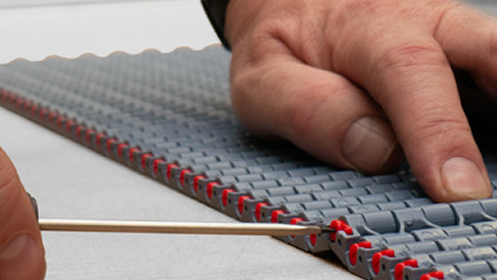
Conveyor chain or belt – The conveyor chain or modular belt is responsible for carrying products through the system. The type used depends on the application, product, and operating environment.
Sprockets and idler wheels – Sprockets engage with conveyor chains to transfer power from the drive unit, while idler wheels help guide and support the chain. Together, they help ensure smooth and reliable operation.
Bearings and rollers – Bearings reduce friction between moving parts, while rollers support products and conveyor surfaces where required. These components help improve efficiency and reduce wear.
The support structure – The frame, such as the legs and feet, provides the foundation for the conveyor system, supporting all components and ensuring stability during operation.
There are many different types of conveyor systems available, including :
Each type is designed to suit specific products, production processes, and operational requirements. We supply Movex’s quality modular belt conveyors – ideal for a range of applications and industries due to their high-quality components and industry-leading experience.
Conveyor systems offer a range of advantages for businesses, including:
By automating material movement, conveyor systems allow businesses to optimise workflows and improve overall performance.
Conveyor systems are used across a wide range of industries, including:
Their versatility makes them suitable for handling everything from lightweight packaged goods to heavy industrial components.
A conveyor system is essential for efficient material handling, helping businesses move products safely, quickly, and reliably throughout their operations. By combining components such as drive units, chains, sprockets, bearings, and support structures, conveyor systems provide a dependable solution for a wide range of industries.
At Oadby Conveyors, we supply high-quality conveyor components and solutions from Movex, which are designed to improve efficiency, reliability, and performance. Our experienced team can help you find the right products to support your conveyor system and operational requirements.