The Role of Plastic in Conveyor Systems
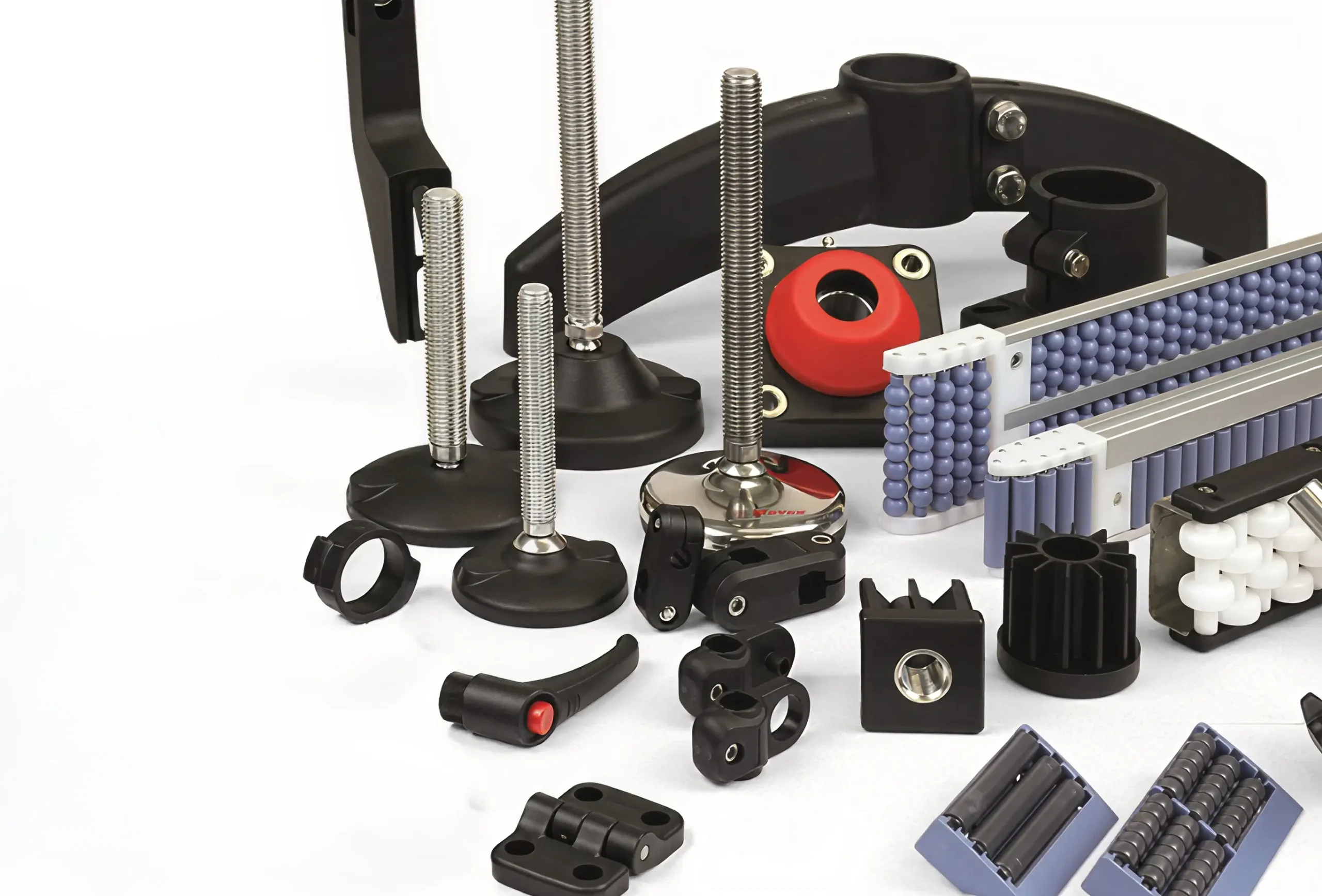
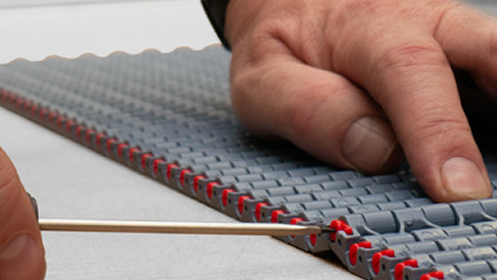
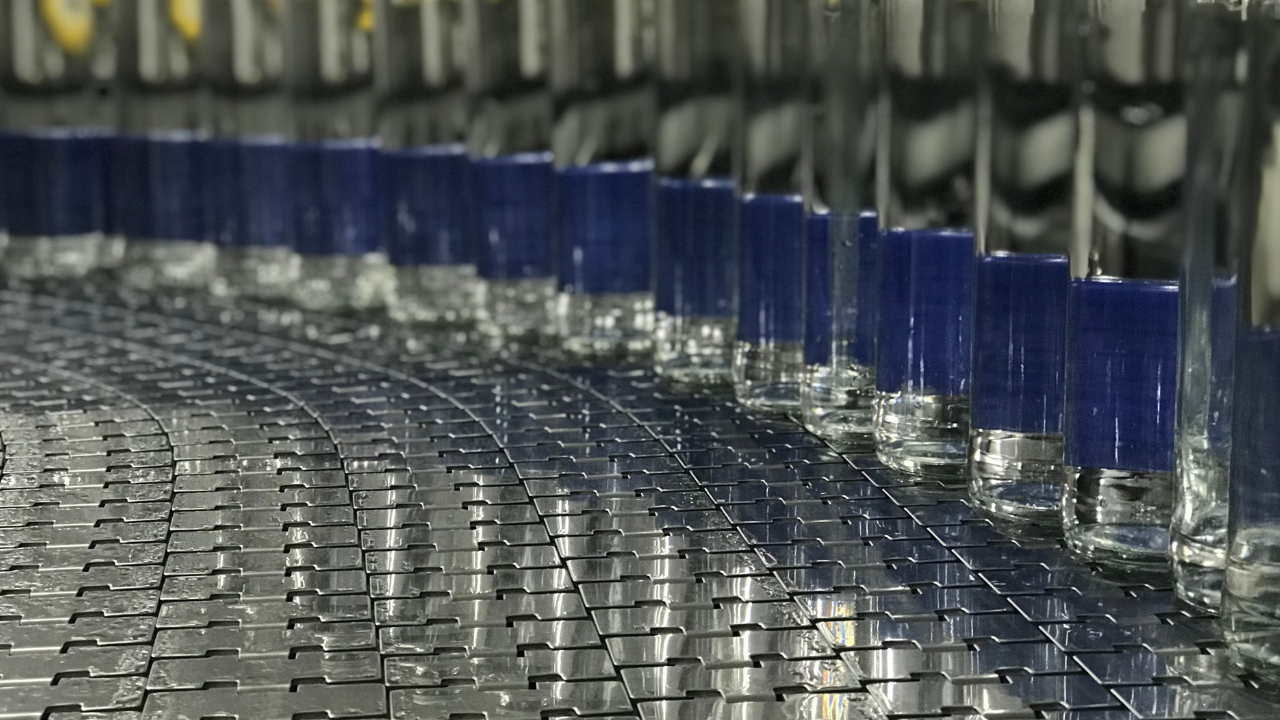
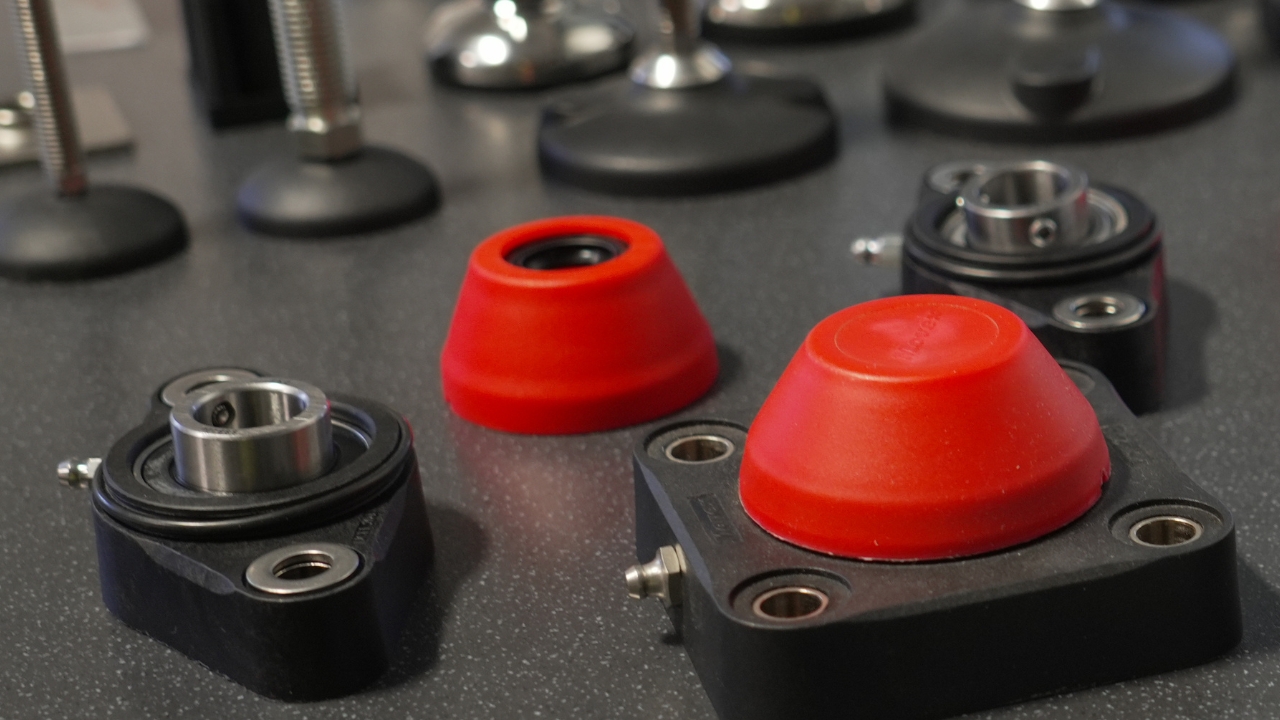
Conveyor systems are essential for efficient material handling across industries such as manufacturing, food processing, packaging, and logistics. While metals like steel and aluminium remain important construction materials, plastic has become a key component in modern conveyor components and systems.
From chains and sprockets to wear strips and guides, plastic conveyor components offer a range of benefits that help improve performance, reduce maintenance, and increase operational efficiency.
Modern engineering plastics are designed to withstand demanding industrial environments while offering advantages that traditional materials cannot always provide. Plastic components are often lightweight, durable, corrosion-resistant, and cost-effective, making them suitable for a wide variety of conveyor applications.
As conveyor technology has progressed, plastic has become an increasingly popular choice for both standard and specialist systems.
Plastic is used in many conveyor parts, including:
These components work together to ensure smooth product movement and reliable conveyor operation.
One of the biggest benefits of plastic conveyor components is their low-friction properties. Many engineering plastics are designed to minimise friction between moving parts, helping conveyors run more efficiently.
Reduced friction can lead to:
This makes plastic an ideal material to be used in high-speed and continuous-operation environments.
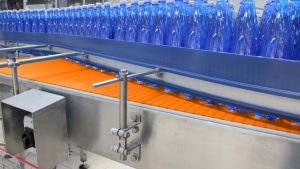
Unlike metal components, plastic does not rust or corrode when exposed to moisture, chemicals, or regular washdown procedures. This makes it an ideal material for industries where cleanliness and durability are essential.
Plastic components are commonly used in:
Their resistance to harsh environments helps extend service life and maintain consistent performance.
Hygiene is a major priority in many industries. Plastic conveyor components are often easier to clean and maintain than metal alternatives, helping businesses meet strict hygiene standards and remain compliant.
Many components are manufactured from food-grade materials and feature smooth surfaces that reduce the build-up of dirt, debris, and bacteria.
Plastic components are traditionally lighter than many metal alternatives, reducing the overall weight of conveyor systems. This can improve energy efficiency and place less strain on the systems themselves.
Despite being lightweight, materials such as nylon, acetal, and polyethylene offer excellent strength and wear resistance, making them suitable for demanding applications.
Plastic conveyor components can provide excellent long-term value. Their resistance to wear, corrosion, and chemical exposure helps reduce maintenance costs and minimise downtime.
In many cases, businesses benefit from longer service intervals and lower operating costs when using high-quality plastic components.
Different applications require different types of plastic. Some of the most commonly used materials include:
Selecting the correct material helps maximise performance and component lifespan.
Plastic plays an important role in modern conveyor systems, offering benefits such as reduced friction, corrosion resistance, improved hygiene, and lower maintenance requirements. From chains and sprockets to wear strips and guides, plastic conveyor components help businesses achieve efficient and reliable material handling.
At Oadby Conveyors, a leading UK partner for Movex, we supply a wide range of high-quality plastic conveyor components designed to support the performance and longevity of conveyor systems across numerous industries. Get in contact with our expert team today for more advice.